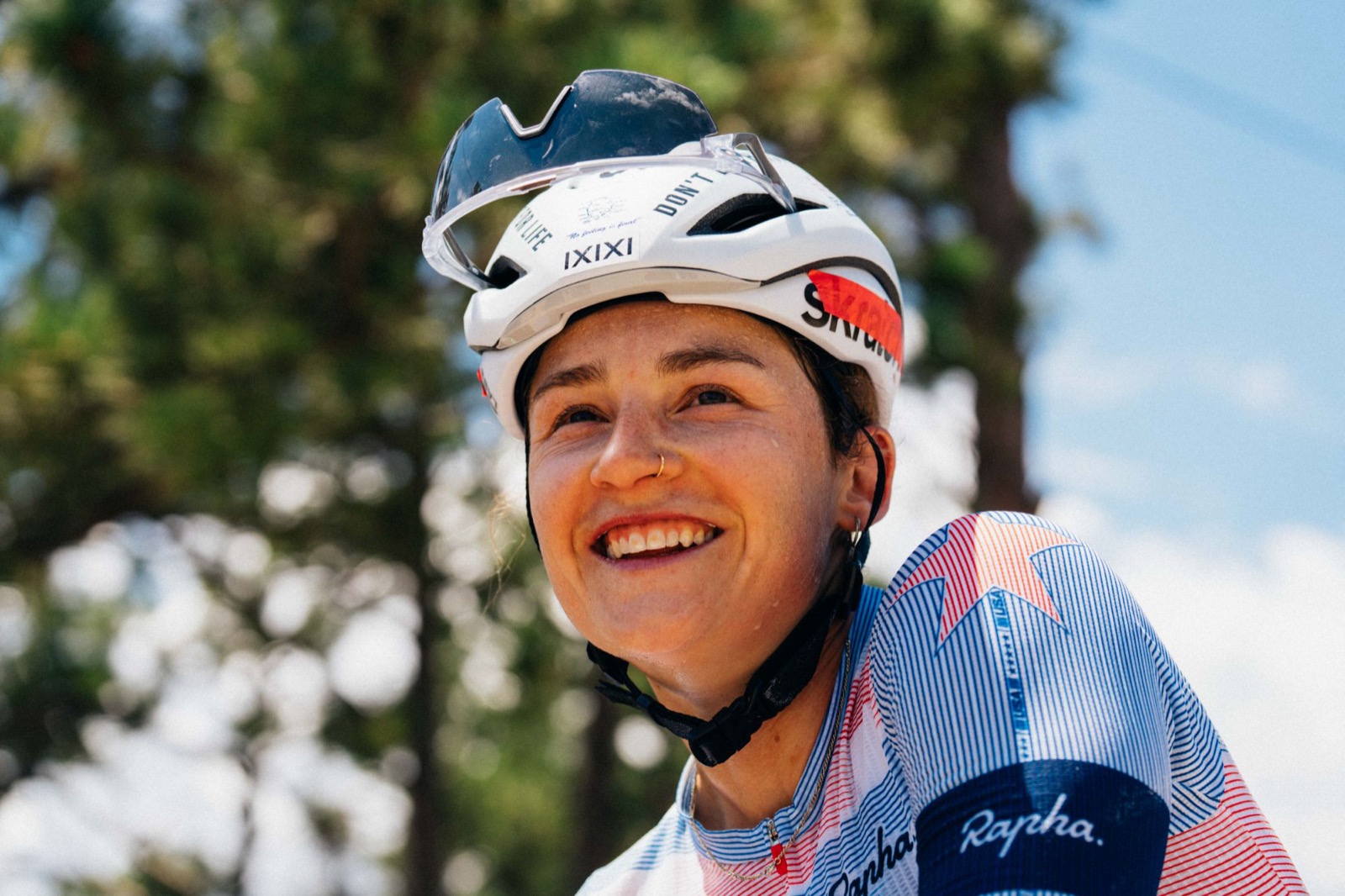
One geometry doesn’t fit all
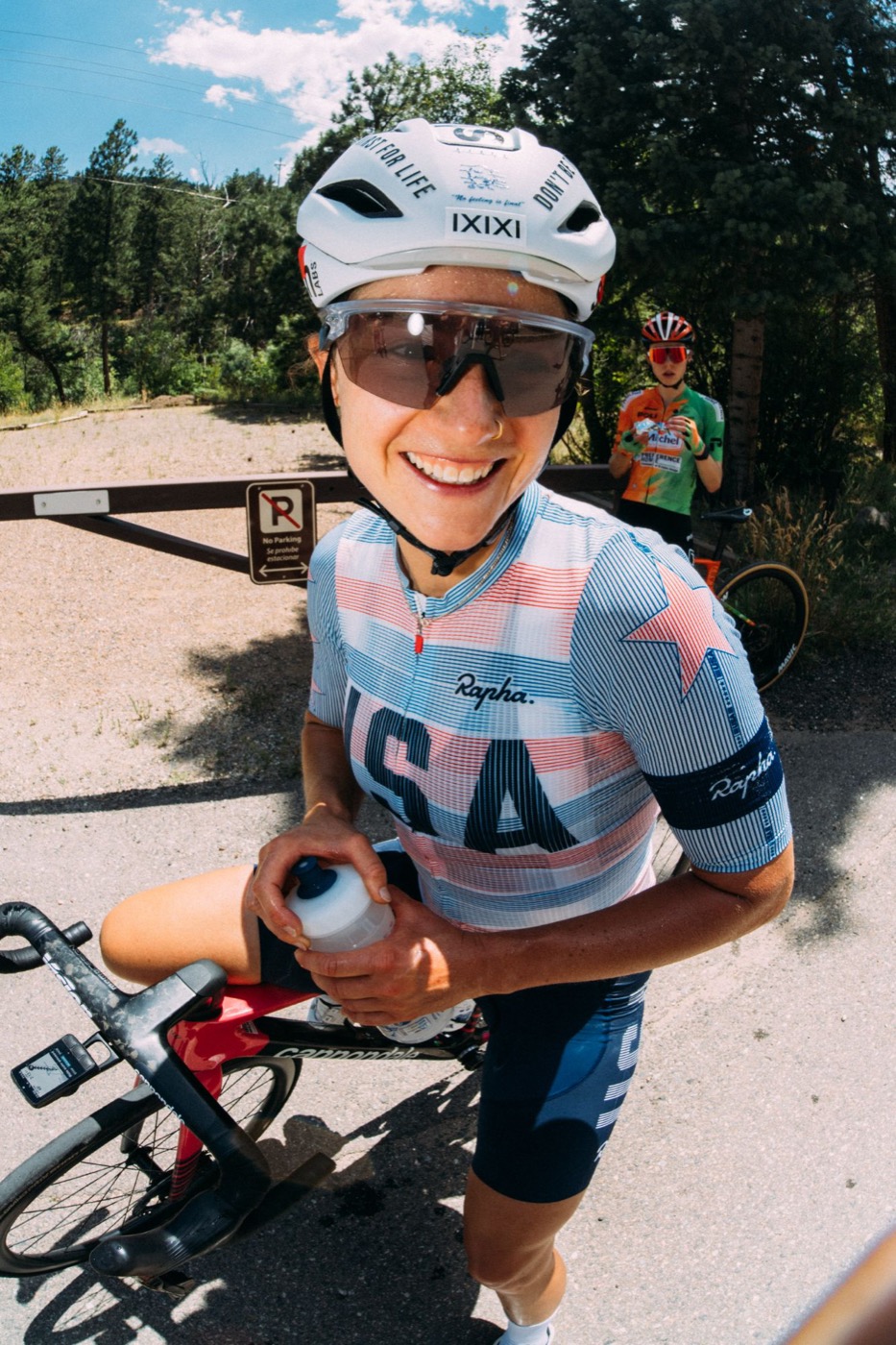
Team-issued saddles and bibs were built on male anatomy or a “unisex” shape. For me, and for teammates and competitors I talked to, that meant:
- Hot spots: calluses and saddle sores
- Chafing and severe discomfort on long rides
- Lost training time: being forced off the bike, beyond just being uncomfortable
Sores from poorly fitting equipment caused injuries and weeks out of training for me, my teammates and other riders. At the highest level of the sport, that meant worse results and a worse experience for the athletes competing.
A product gap and a feedback gap
- Women are one of cycling’s fastest-growing groups, yet they ride gear designed for men and adapted afterwards.
- Pain and injury push riders away from a brand or out of the sport. That makes fit a retention problem.
- Inside the sponsor system, almost no athlete feedback reached product teams in a structured way. It stayed informal and verbal, and it got lost.
This was a mismatch between design assumptions and a valuable group of riders who quietly work around the problem instead of reporting it.
Feedback to Rapha
I polled my fellow athletes about the problems they were having. Because they were talking to a teammate and competitor rather than an outside researcher, their answers were more honest and more specific than a formal study would likely have gotten.
I used what I heard, along with my own long days in the saddle, to build a proposal for Rapha. It covered where the chamois sat and how it was shaped, and suggested products for racing and training in extreme weather: heat, cold and wet. That proposal went on to inform improvements to Rapha’s product line.
What changed
- Chamois: updated and repositioned.
- Sports bras: added to the range.
- Road suits: radio pockets moved from the back to the front.
Design from women’s anatomy
Chosen approach
A women-specific fit research track that uses real anatomical and biometric data from athletes to shape saddles, shoes and apparel from the start, instead of adapting male geometry.
Ruled out
- Feedback surveys: too slow. By the time results arrive, it’s too late in the season to act.
- A one-rider pilot: too narrow. A prototype that fits one rider doesn’t prove it fits everyone who needs it.
How I’d prove it
- Interview 5–10 riders to confirm the problem is widespread and not personal.
- Track saddle sores, chafing and training days lost so the problem has a number.
- Rank issues by severity, how often they happen and how often riders mention the same workaround unprompted.
- Test for a full season. If symptoms show up mid-season it’s already too late, so products have to hold up start to finish.
As an athlete my job was to perform despite the gap between what riders experience and what product teams hear. Now I want to close it.